


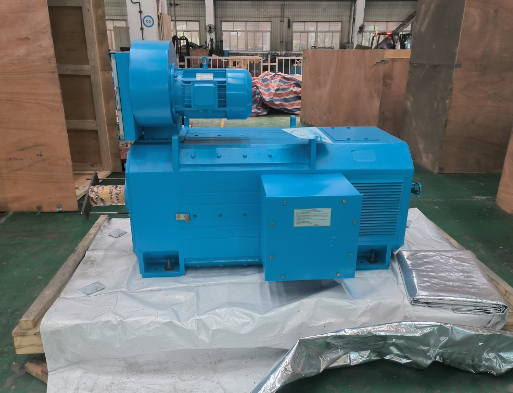


Why do we need to align the magnetic core when installing the motor?
One of the most critical steps during electric motor installation is core alignment. This process is more than just a technical form, it plays a vital role in preventing axial movement, improving operational stability, ensuring mechanical performance and meeting manufacturing standards.

First, preventing axial movement is critical to the longevity and efficiency of the induction motor. Misalignment can cause excessive wear on components, leading to premature failure. By properly aligning the core, we can minimize the risk of axial displacement, which can cause vibration and noise, ultimately affecting the performance of the motor.
In addition, correct alignment significantly increases operational stability. A well-aligned core ensures smooth operation of the motor, reducing the likelihood of speed and torque fluctuations. This stability is critical for applications that require precise control, such as robotics and automation systems. When a motor operates within its design parameters, it not only increases productivity but also reduces energy consumption.
Ensuring mechanical properties is another critical aspect of aligning the core. A misaligned motor results in inefficient energy transfer, resulting in reduced output and increased operating costs. By aligning the cores, we ensure that the motor operates at optimal efficiency, thereby maximizing its mechanical performance.
Finally, aligning the core is critical to meeting manufacturing standards. Many industries have strict guidelines for motor installation and performance. Adherence to these standards not only ensures compliance but also enhances the manufacturer's reputation. The right alignment reflects a commitment to quality and reliability, which can be a significant competitive advantage in the marketplace.
Centering the magnetic core when installing the motor is a basic practice to prevent axial movement, improve operational stability, ensure mechanical performance, and meet manufacturing standards. By prioritizing this step, we can achieve more efficient and reliable motor operation.