


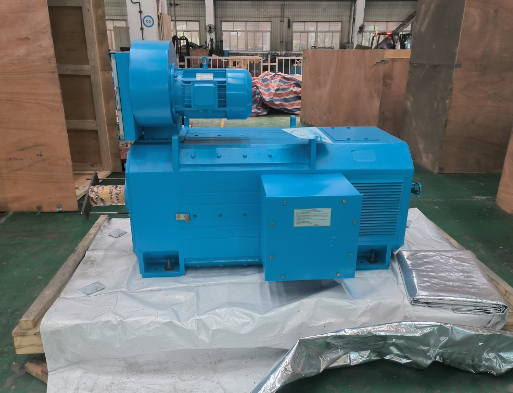


What is a positive pressure motor?
A positive pressure motor is a special type of motor designed to operate in an environment where the internal pressure is higher than the external atmosphere. This design is particularly important in applications where safety and efficiency are critical, such as in industrial settings or hazardous environments.

One of the main structural features of a positive pressure electric motor is its complete ventilation system. This system ensures that air circulation is optimized, preventing overheating and maintaining operational efficiency. The motor's housing and ducting are made from non-combustible materials, significantly increasing safety by reducing the risk of fire. This is particularly important in industries where flammable materials may be present.
In addition, the casing and main pipeline of the positive pressure motor are carefully designed to maintain sufficient positive pressure relative to the outside atmosphere. Not only does this help prevent the intrusion of contaminants, but it also ensures that any potential leaks are directed to the outside. This further improves security.
Safety protection devices are another important aspect of positive high voltage motors. These devices are designed to monitor and control the internal conditions of the motor, sounding an alarm and automatically shutting down if anything unusual occurs. In addition, the quick-open door or cover on the housing is equipped with an interlock for connecting the power supply. This ensures that the motor is inaccessible while running, thus protecting maintenance personnel from potential hazards.
Positive pressure motors have the characteristics of solid structure, complete ventilation system, non-combustible materials, maintaining positive pressure, safety devices and interlocking mechanisms, etc., which together create a safe and efficient operating environment and are indispensable in various industrial applications. parts.