


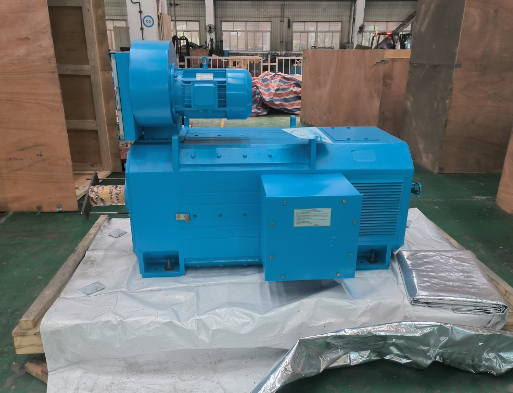


The role of frequency converter in motor control
In modern industrial applications, motor speed control is crucial, especially for equipment or equipment systems driven by multiple motors. One of the most effective tools for achieving precise motor control is a frequency converter. These devices play an important role in increasing motor efficiency and longevity, especially in applications involving fans and water pumps.

Frequency converters, also known as variable frequency drives (VFD), adjust motor speed by changing the frequency and voltage supplied to the motor. This feature is critical for optimizing performance and energy consumption. The energy-saving effect of the frequency converter is particularly obvious in the operation of fans and water pumps, which can reduce energy consumption by up to 40%. By matching motor speed to the actual needs of the system, frequency converters minimize unnecessary energy consumption.
Another significant advantage of frequency converters is the ability to soft-start the motor. Traditional motor starting methods can result in high inrush currents, which can stress the motor and associated components. In contrast, frequency converters can gradually increase speed, which not only reduces wear on drive belts and bearings, but also extends the overall service life of the equipment.
In addition, the frequency converter can easily start the fan at low frequency and speed, which is especially beneficial for applications that require precise control of air flow or fluid movement. This feature not only improves operational efficiency but also helps reduce energy consumption more sustainably.
Frequency converters are an integral part of electric motor control and have significant advantages in terms of energy saving, equipment life and operating efficiency. Their role in modern industrial systems cannot be underestimated and they are an important component in the pursuit of sustainable and efficient motor operation.