




Selection Principles of Variable Frequency Motor Fans
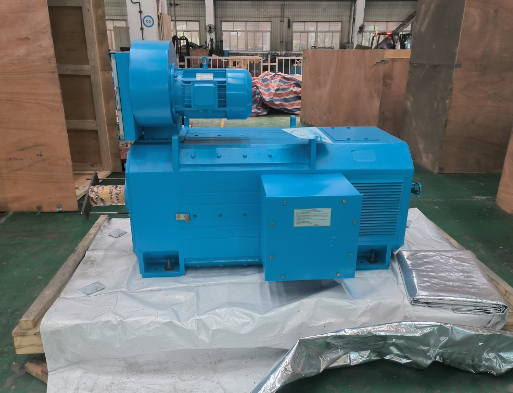
When selecting a fan for use with a variable frequency motor (VFM), several key principles must be considered to ensure optimal performance and efficiency. One of the key aspects is the sequence of operation of the fan and motor. A fan that operates independently should start before the motor starts and shut down with a lag after the motor turns off. This sequence helps manage the motor's thermal dynamics, allowing it to cool efficiently and prevent overheating.

Another important principle is to adjust the fan power and speed based on the motor's design temperature rise margin. This means that the fan should be able to adjust its performance to keep the motor within its optimal operating temperature range. By doing this, the life and reliability of the motor can be significantly increased, reducing the risk of premature failure.
Noise performance is another key factor when selecting a fan of variable-frequency and speed-regulating motor. Noise generated by motors can be a problem in a variety of applications, especially in residential or sensitive environments. To solve this problem, the overall noise performance level of the motor can be improved by implementing a low-noise fan design. These designs often incorporate features such as optimized blade shapes, sound insulation materials and advanced motor control strategies to minimize operating noise.
When selecting a variable frequency motor fan, one must consider the operating sequence, adjust the power and speed according to the electric motor temperature rise margin, and the noise performance of the system to ensure that the motor runs more efficiently, reliably, and quietly, thus improving performance and users. Satisfaction.