


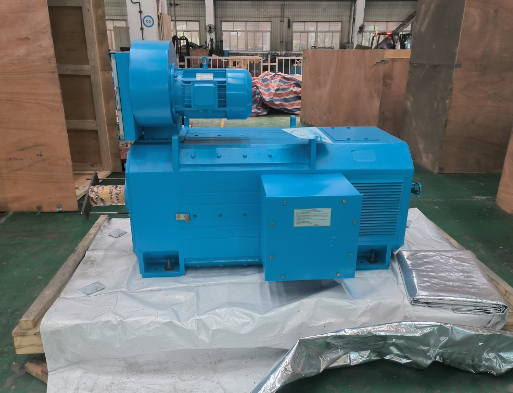


How to deal with motor overload?
Motor overload is a common problem that can lead to equipment failure and increased operating costs. To effectively address this issue, a systematic approach must be followed. The first step in diagnosing motor overload is to remove the drive belt. This allows for a clear assessment of the spindle driving the machine.

With the drive belt removed, turn the driven machine spindle by hand. This action helps determine if the spindle can rotate freely. If the spindle does not rotate smoothly, it indicates an underlying mechanical problem that needs to be investigated and repaired. Common causes of restricted spindle movement can include bearing failure, misalignment, or debris accumulation. Promptly addressing these issues can prevent further complications and ensure the longevity of the three phase asynchronous motor.
On the contrary, if the spindle rotates flexibly, the problem may lie elsewhere. At this time, the next step is to evaluate the supporting equipment. Overload is often caused by excessive water pump flow, excessive fan air volume, increased feeding volume of feeding equipment, etc. Adjusting these parameters can significantly reduce the motor load.
For example, reducing flow on a pump can reduce stress on the motor, while reducing air volume on a fan can help maintain optimal operation. Similarly, adjusting the feed rate on a feeding device can ensure that the motor is not overworked.
Effectively handling electric motor overloads requires a thorough inspection of the driven machine and its supporting equipment. By following these steps (removing the drive belt, checking spindle flexibility, and adjusting supporting equipment parameters), operators can alleviate overload issues, improve equipment performance, and extend the life of the motor. Regular maintenance and monitoring are key to preventing future overload situations.