


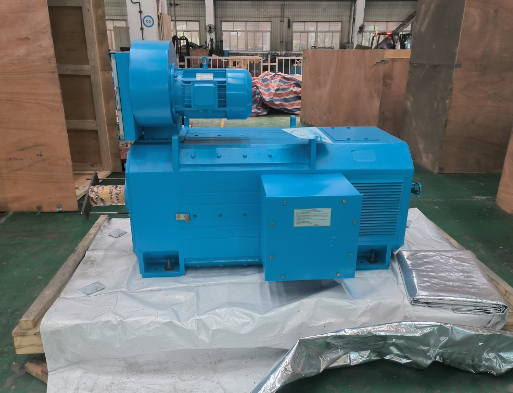


Dust Explosion-Proof Motors Characteristics, Applications, and Industry Significance
Understanding Dust Explosion-Proof Motors: Characteristics, Applications, and Industry Significance
In industrial environments where combustible dust is present, ensuring workplace safety is a top priority. Dust explosion-proof motors play a critical role in preventing ignition sources that could lead to catastrophic explosions. These specialized motors are engineered to operate safely in hazardous areas, reducing the risk of dust-related fires and explosions. With increasing industrial regulations and safety standards worldwide, the demand for dust explosion-proof motors is on the rise across industries such as manufacturing, mining, chemicals, and food processing.

What is a Dust Explosion-Proof Motor?
A dust explosion-proof motor is a specialized electric motor designed to operate safely in environments where combustible dust is present. These motors are built to prevent the ignition of flammable dust particles, which could otherwise lead to explosions. They comply with international safety standards, such as ATEX (Atmosphères Explosibles) and IECEx, ensuring their safe use in hazardous areas classified as dust zones.
Dust explosion-proof motors are typically encased in rugged enclosures that prevent any internal sparks or heat from escaping and igniting surrounding dust. These motors undergo rigorous testing to ensure their ability to function safely in challenging environments without compromising performance.
Key Characteristics of Dust Explosion-Proof Motors
Dust explosion-proof motors possess several defining characteristics that make them suitable for hazardous industrial environments:
1.Sealed Enclosures: The motor housing is designed to prevent dust ingress, ensuring that combustible particles cannot enter and interact with electrical components.
2.Temperature Control: These motors are equipped with advanced thermal management systems to regulate internal temperatures and prevent overheating, which could otherwise ignite dust particles.
3.Spark Prevention: Components are designed and tested to eliminate the risk of sparks, arcs, or other electrical discharges that could trigger an explosion.
4.Corrosion Resistance: High-quality materials and protective coatings provide resistance to corrosive environments, extending the motor's lifespan in harsh conditions.
5.Compliance with Safety Standards: Dust explosion-proof motors adhere to international regulations, including ATEX, IECEx, and other regional safety guidelines, ensuring they meet stringent operational requirements.
6.Robust Construction: These motors are built to endure mechanical stress and vibrations while maintaining safe operation in dusty and hazardous environments.
Applications of Dust Explosion-Proof Motors
Dust explosion-proof motors are essential in industries where combustible dust poses a significant hazard. Common applications include:
1.Mining and Quarrying: These motors power machinery used in mineral extraction and material handling where combustible dust is prevalent.
2.Food and Beverage Processing: Dust explosion-proof motors ensure safe operation of equipment involved in processing powdered materials like sugar, flour, and grains.
3.Chemical and Pharmaceutical Industries: These motors are used in environments where fine powders and volatile substances require explosion protection.
4.Textile Manufacturing: Combustible fibers and dust generated during textile production make explosion-proof motors vital for safe operation.
5.Agriculture and Grain Handling: Dust from grain storage and transport can be highly explosive, making these motors critical in silos and processing facilities.
The Relationship Between Motors and Fans
Motors and fans are integral components in industrial applications, working together to facilitate efficient operation in various environments. The motor serves as the power source, converting electrical energy into mechanical energy to drive the fan. Fans, in turn, circulate air, regulate temperature, and remove particulates, making them indispensable in manufacturing, processing, and safety systems.
1.Power Transmission: The motor generates rotational energy that drives the fan blades, allowing for air movement and heat dissipation.
2.Cooling and Ventilation: Motors often require fans for cooling to prevent overheating, especially in high-performance or hazardous environments. Explosion-proof motors, for instance, rely on fans designed to operate safely without producing sparks.
3.Efficiency Optimization: Properly matched motors and fans enhance energy efficiency, reduce operational costs, and ensure consistent performance. High-efficiency motors paired with optimally designed fans can significantly lower power consumption.
4.Environmental Control: In hazardous areas, motors and fans work together to manage air quality by expelling dangerous dust or fumes. This is especially critical in industries like chemical processing and grain handling.
5.Customized Solutions: Different industrial needs require tailored motor-fan combinations. For example, explosion-proof motors combined with specially designed fans are used in environments with flammable dust or gases to ensure safety and regulatory compliance.
Understanding the interplay between motors and fans is essential for optimizing industrial operations, ensuring equipment longevity, and maintaining compliance with safety standards. As industries continue to advance, the demand for reliable motor and fan systems, especially in hazardous environments, will remain a crucial factor in achieving both operational excellence and workplace safety.