


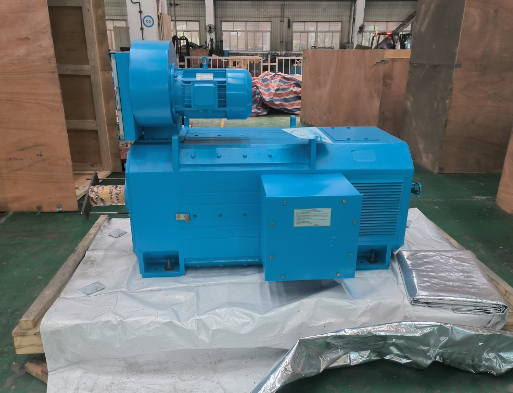


Consequences of operating the motor beyond the rated voltage
For three phase electric motors, maintaining rated voltage is critical for optimal performance. Deviation from this specified voltage can result in a range of harmful effects, especially if the voltage is too high. In this case, the motor core will enter magnetic saturation. This phenomenon occurs when the magnetic field within the core reaches its maximum capacity, making it unable to effectively convert electrical energy into mechanical energy.
As the three phase induction motor voltage increases, the stator current also increases significantly. This current surge can cause the windings to heat up significantly. Excessive heat generated can damage the insulation around the windings, leading to potential quality issues such as winding burnout. Not only will this shorten the life of the motor, it can also lead to expensive repairs or replacements.

Additionally, when a motor is operated outside of its rated voltage, it may not function properly. Motor efficiency decreases, resulting in lower torque and power output. This inefficiency can cause the motor to draw more current to maintain performance, further exacerbating the heating problem. In extreme cases, the motor may stall or fail completely, resulting in unplanned downtime and loss of productivity.
In summary, operating a 3 phase induction motor at voltages that deviate from rated specifications can have serious consequences. The risk of magnetic saturation, increased stator current and subsequent winding overheating can lead to serious quality problems, including winding burnout. To ensure the longevity and efficiency of the motor, the voltage must be monitored and maintained within specified limits. By doing this, operators can avoid costly repairs and ensure reliable motor performance.