


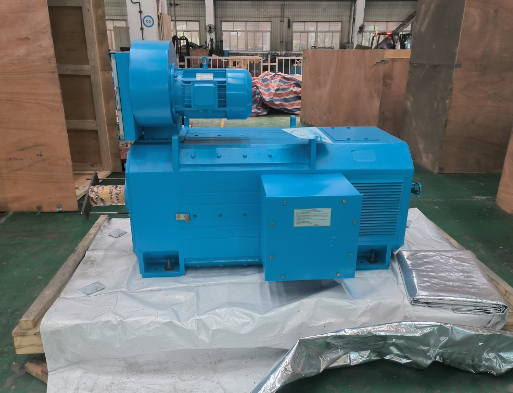


Analysis of explosion-proof surface treatment process for explosion-proof motors

The processing technology for the explosion-proof surface of explosion-proof motors revolves around two main objectives: precision control and rust prevention. It primarily includes the following key steps:
1. Precision Machining (Laying the Foundation)
This is the initial process. Through milling, planing, and grinding, the flatness, straightness, and other geometric tolerances of the explosion-proof surface are ensured to meet the drawing requirements. Simultaneously, the surface roughness must be controlled between Ra 3.2μm and 6.3μm. This roughness is crucial: too smooth, and it can easily lead to pressure buildup during an explosion; too rough, and the microscopic gaps will be too large, allowing flames to directly escape.
2. Chemical Treatment (Core Protection)
The machined bare steel surface is highly susceptible to rust; phosphating treatment is necessary. This is usually done by brushing or immersion, creating a dense, dark red phosphate film on the surface. This film itself has some rust-preventive ability, and more importantly, its porous surface can absorb and store rust-preventive oil, forming a long-lasting physical rust-preventive layer.
3. Oiling Maintenance (Routine Maintenance)
After phosphating, a special rust-preventive oil (such as 204-1 type replacement rust-preventive oil) needs to be applied to the surface. This oil film isolates the flameproof surface from moisture and corrosive media in the air, preventing rust from forming during use or storage. Rust is a major enemy of the smoothness of the flameproof surface.
4. Damage Repair (Inspection Stage)
If dents, scratches, or rust spots are found on the flameproof surface during motor inspection, do not grind them indiscriminately. For minor protrusions or burrs, manual grinding with an oilstone is permissible; if deeper pits appear, welding repair is required (lead-tin welding for steel parts, tin-zinc welding for cast iron) to fill the defect, then re-grind, phosphate, and oil to restore its flameproof performance.
In summary, the purpose of this process is to ensure that the flameproof surface possesses both adequate mechanical strength and maintains rust prevention and precise clearance over a long period of time.